
Patient History
- 86-year-old woman who demonstrated no response after 8 injections of bevacizumab OS was referred for switch of anti-VEGF agent
- VA on presentation was 20/400 OD, and 20/50 OS
- Initial visit imaging showed active exudative neovascular AMD OS and a large disciform scar OD (Figure 1)
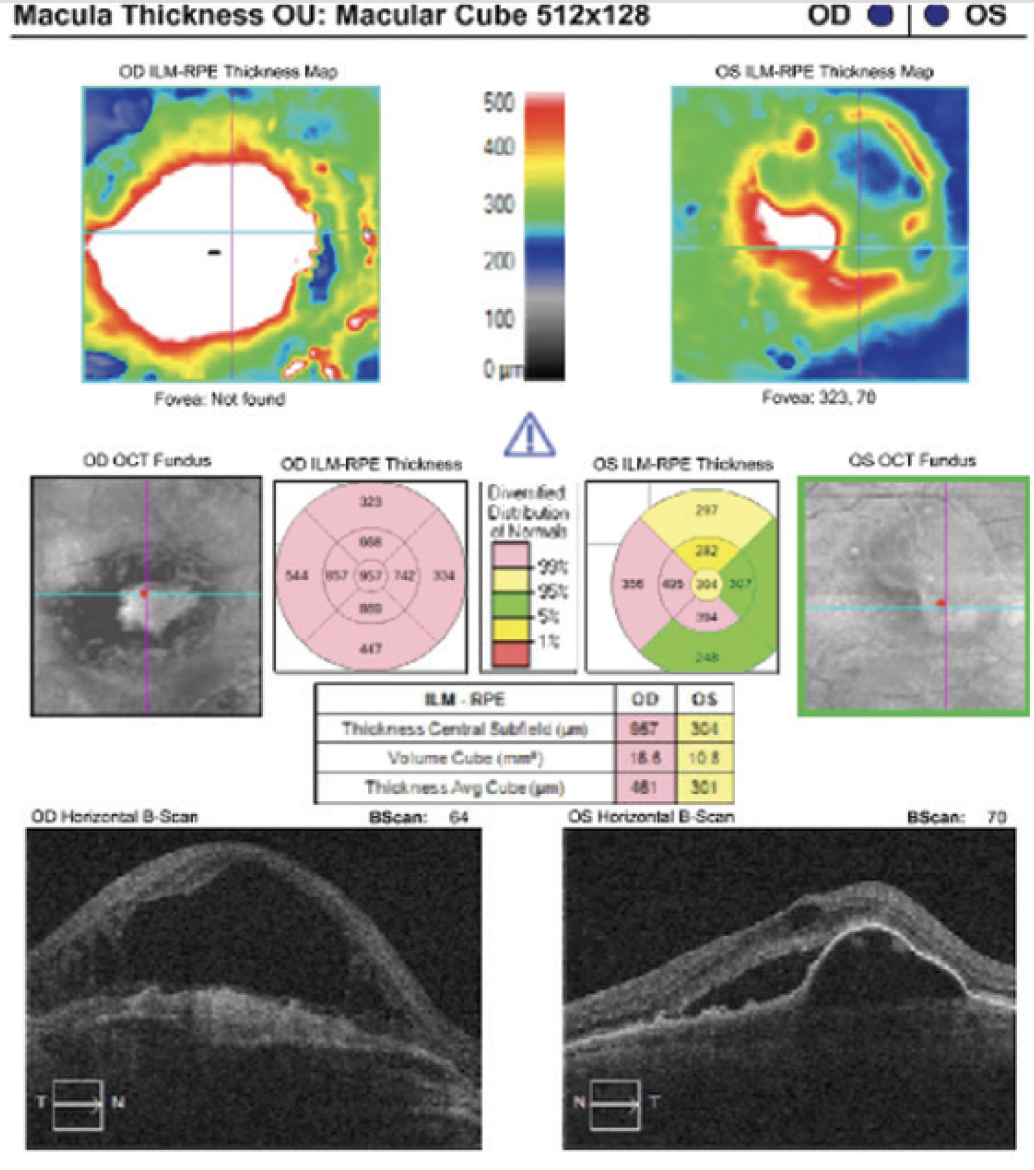
Figure 1. Baseline imaging in an 86-year-old woman referred for anti-VEGF agent switch.
Treatment
- The patient was started on monthly anti-VEGF injections of aflibercept (Eylea, Regeneron) leading to reduction of subretinal fluid and pigment epithelial detachment (PED) size OS (not shown)
- Continued monthly injections were successful in resolving most of the SRF OS and vision improved to 20/30. Imaging captured hyperreflective material in the PED OS (Figure 2).
- SRF was finally resolved after nine monthly injections, and a plan was made to continue frequent monthly injections (Figure 3)
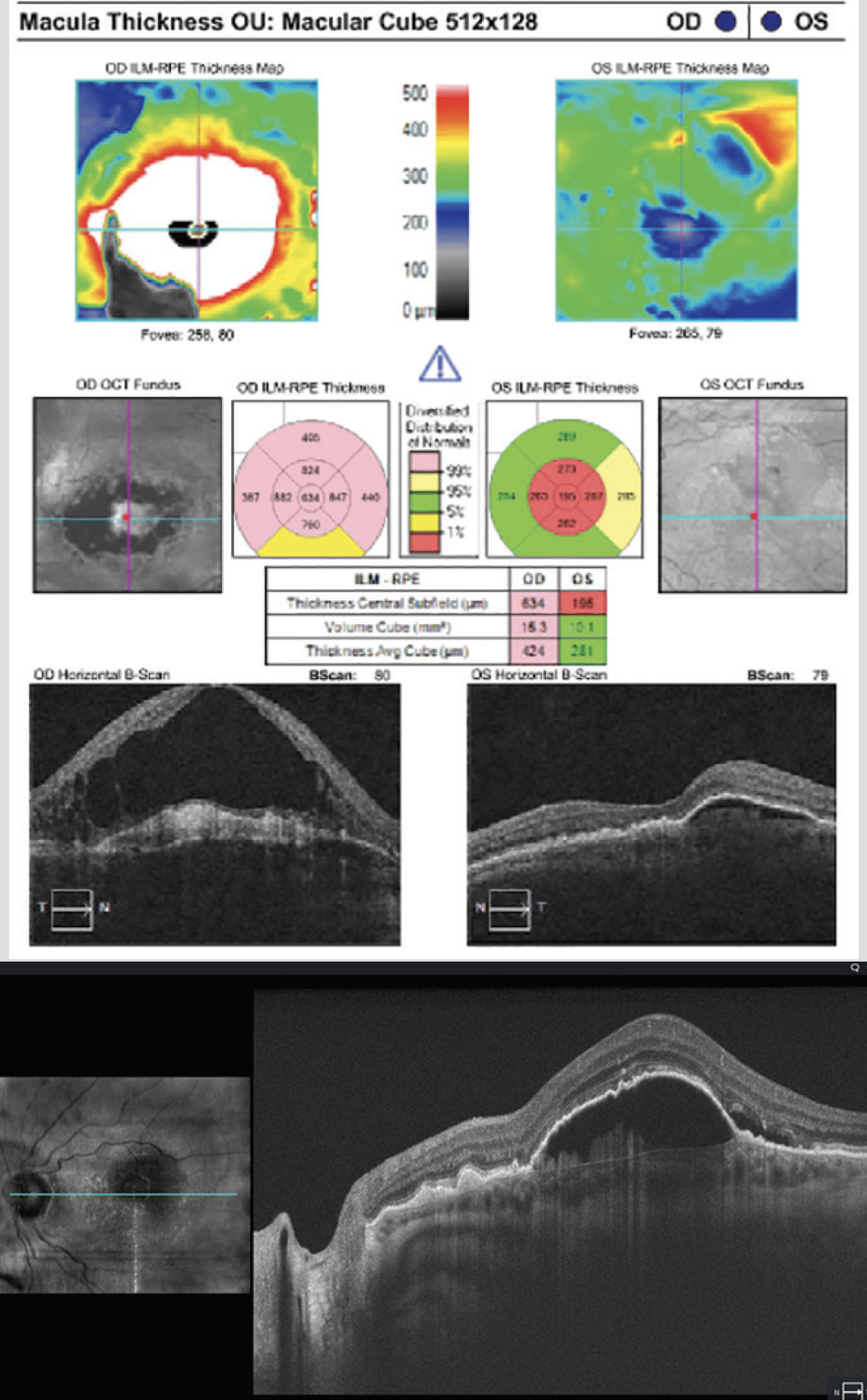
Figure 2. Monthly injections were required to achieve modest control of SRF and near resolution of the PED.
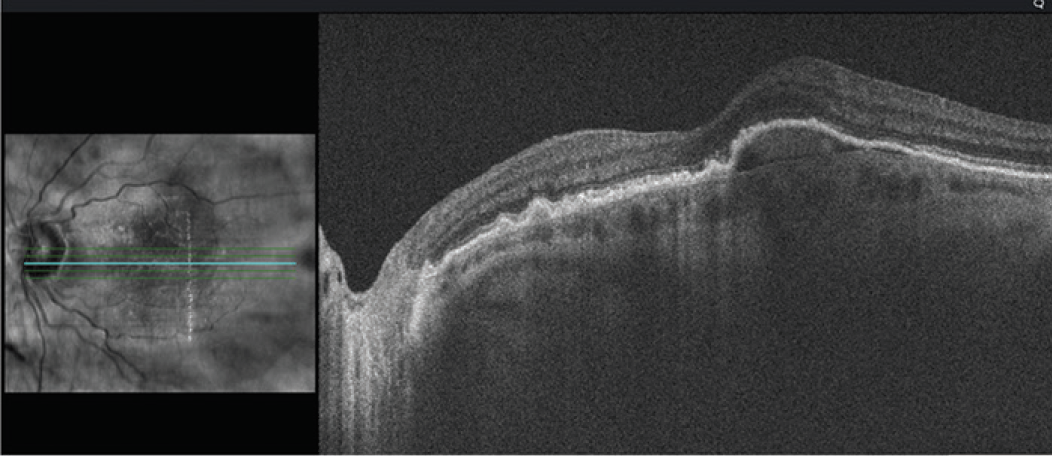
Figure 3. Full resolution of the SRF was achieved after 9 monthly injections.
Discussion
Caroline R. Baumal, MD: Around Christmas 2019, she missed two anti-VEGF injections. After that she came back with recurrent subretinal and intraretinal fluid (Figure 4).
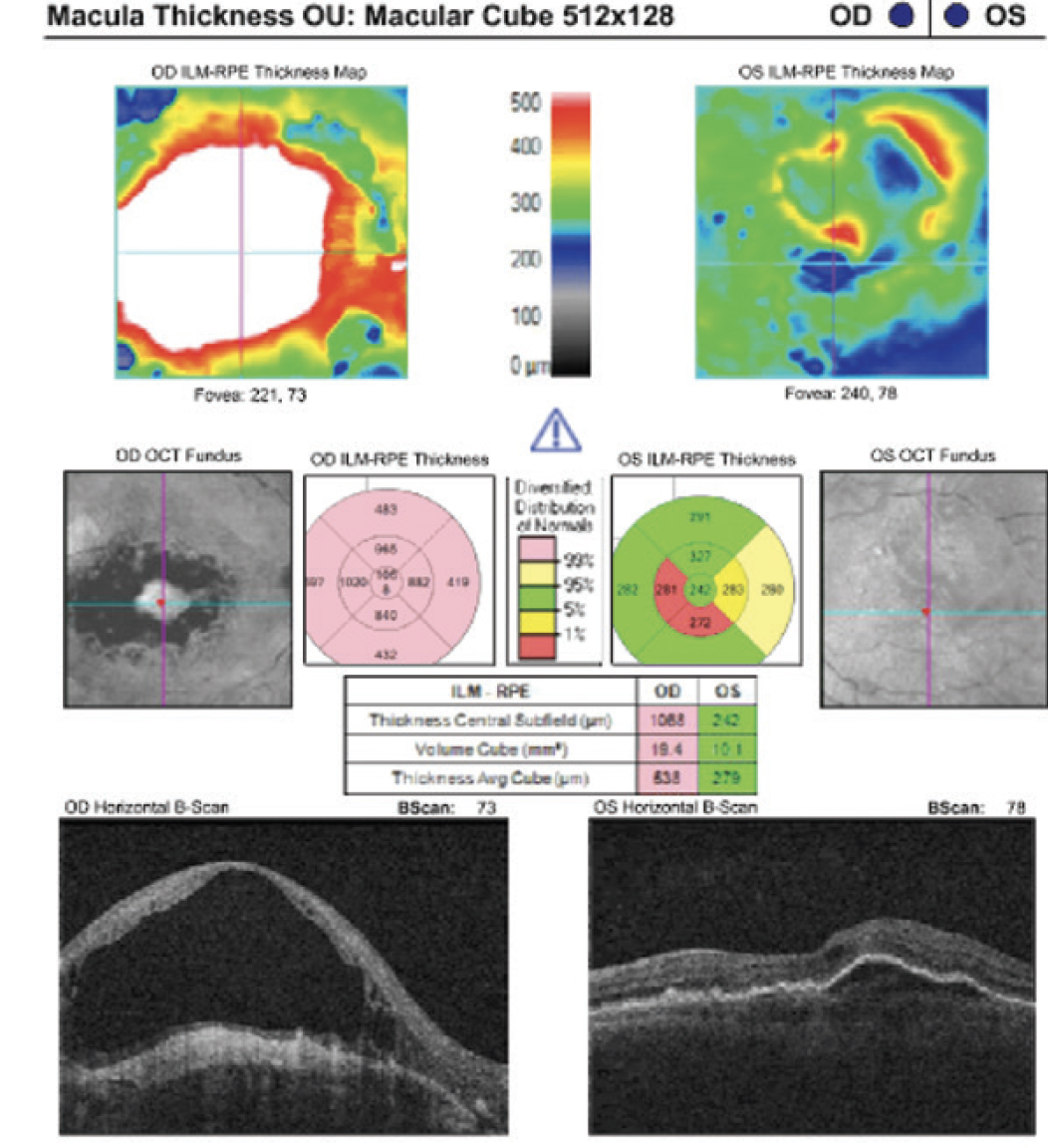
Figure 4. The patient unfortunately missed 2 injections, leading to return of intraretinal and subretinal fluid.
Usha Chakravarthy, MD, PhD, CBE: I’m not surprised. In the images that you showed, there was a mild degree of retinal thickening over the PED, and I think that’s a red alert that comes up. If you stop treatment, the PED increases, and retinal fluid will increase.
Carl D. Regillo, MD: It’s a constant educational process to let patients know that in order to get the best long-term outcomes, we have to stay on top of the condition.
Maybe a week or two late in some patients here and there may not be significant over time, but I’m concerned that a patient like this, which is a high need treatment scenario that this keeps happening. The bigger and more frequent these missed visits are, the more the patient is at risk for having a poor outcome over time.
Dr. Baumal: Then COVID hits and she missed another 3 months. When she returned, she complained of reduced vision: her acuity worsened to 20/80 with recurrent intraretinal fluid (Figure 5). She has since resumed back on every monthly aflibercept.
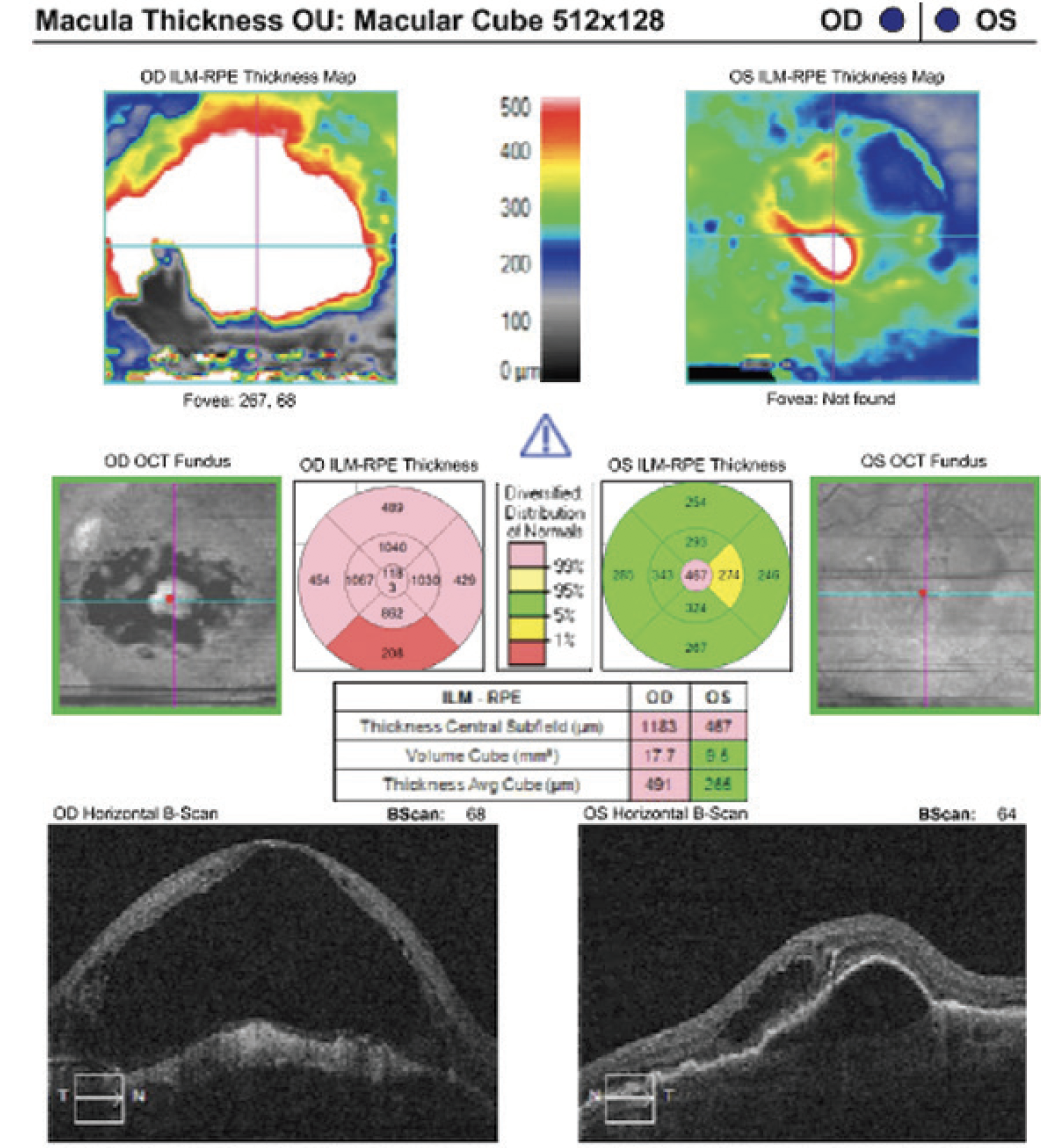
Figure 5. The onset of the COVID pandemic led to this patient missing 3 more injections.
Rishi Singh: We did an analysis looking at unintended delays of 3 months or more and what their effect was matched to patients who did not have a lapse over a year period of time. What we found essentially was about a 1-line difference, with acuity favoring those who never had a delay. You have to sit with the patient and explain that the overwhelming results are that it’s a negative prognosticator to lose time in treatment. And I don’t know if we do that enough with patients, to be honest.
Dr. Baumal: This case highlights various issues: the negative effects from missing anti-VEGF injections and from the COVID-19 pandemic and the need for continued patient education. I find it helpful to involve the family as well as our office staff, so they are knowledgeable about the timing of intravitreal injections especially in these patients who require a high frequency of injections.
